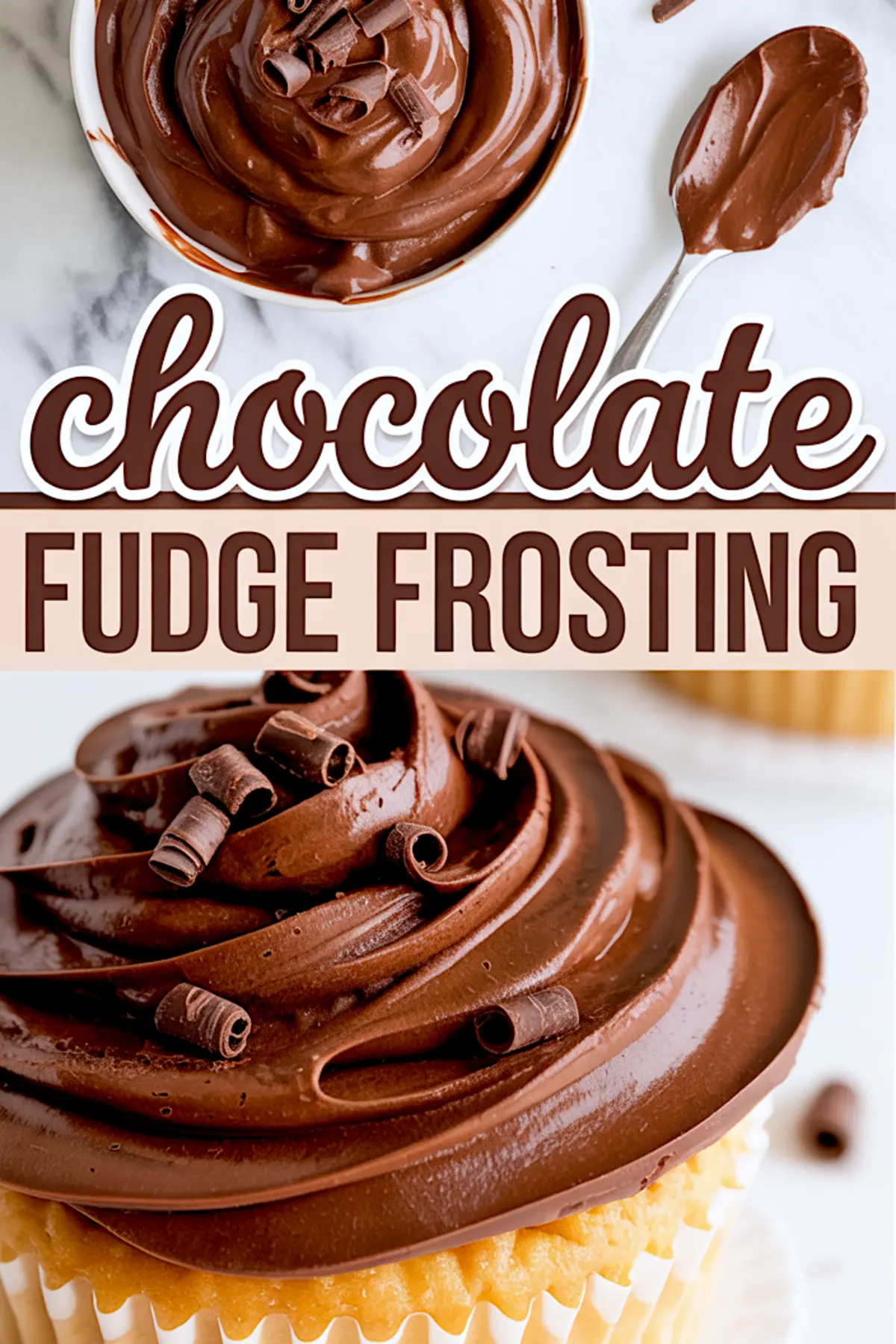
The Ultimate Pairing: Why a Rich Vanilla Cake Needs Chocolate Fudge Icing
There’s a culinary romance that transcends time and trends: the harmonious marriage of a light, fragrant vanilla cake with a luscious, decadent chocolate fudge icing. It's a combination that offers a perfect balance – the comforting sweetness of vanilla provides a delicate canvas, allowing the deep, complex notes of chocolate to truly shine without overwhelming the palate. For many, this isn't just a dessert; it's a taste of nostalgia, a guaranteed crowd-pleaser, and the epitome of elegant simplicity. When crafted with care, a
rich vanilla cake chocolate fudge icing becomes more than just a treat; it’s an experience.
We understand the craving for homemade goodness without spending endless hours in the kitchen. That's why mastering a quick yet exquisite chocolate fudge icing is key. This isn't just about frosting a cake; it's about elevating your baking with a velvety, rich layer that promises pure joy in every bite. And the secret to achieving this perfection often lies in a crucial choice: dark versus milk chocolate. This article will guide you through the nuances, ensuring your next vanilla cake is adorned with an icing that’s nothing short of divine. For a quick and easy recipe to pair with your newfound icing expertise, check out our guide on
Unlock Quick Decadence: Easy Vanilla Cake with Chocolate Fudge Icing.
Crafting Your Fudge Icing: The Foundational Ingredients
Before we delve into the chocolate debate, let's establish the fundamental building blocks of a truly outstanding chocolate fudge icing. Interestingly, the icing is often best made first, even before the cake, to allow it ample time to set. The process is deceptively simple: melting ingredients together and letting them transform.
Here’s what you’ll need to create this dreamy confection:
- Chocolate: The undisputed star, dictating flavor depth and texture. We’ll explore the dark vs. milk dilemma shortly.
- Unsalted Butter: The richness and smooth consistency of your icing heavily depend on good quality butter. Opting for unsalted butter gives you precise control over the overall saltiness of your fudge, allowing you to fine-tune the flavor profile. While salted butter can be used in a pinch, remember to omit any additional salt.
- Icing Sugar (Powdered Sugar): This provides the primary sweetness and contributes to the smooth, melt-in-your-mouth texture that defines fudge. Its fine consistency ensures no grainy residue, just pure, silky indulgence.
- Double Cream (Heavy Cream): Essential for the luxurious body and creaminess of the icing. It binds the ingredients together, adding a rich mouthfeel.
- Salt: A small pinch of salt is often the unsung hero in chocolate desserts. It doesn’t make the icing salty; rather, it *enhances* and *balances* the sweetness of the chocolate, bringing out its deeper notes. If you've used salted butter, this ingredient can be skipped.
These carefully selected ingredients work in concert to create an icing that transforms a simple vanilla cake into a truly exquisite dessert, a testament to the adage that sometimes, less is truly more.
Dark vs. Milk Chocolate: Unveiling the Fudge Secrets
The choice between dark and milk chocolate is perhaps the most pivotal decision when making your fudge icing. Each offers a distinct flavor profile and behaves differently, impacting the final texture and taste of your
rich vanilla cake chocolate fudge icing.
The Case for Dark Chocolate
Dark chocolate is often heralded as the champion for chocolate fudge icing, and for good reason. Its higher cocoa solid content provides superior structural integrity, allowing the icing to set beautifully into a thick, spreadable consistency. This translates to a fudge that holds its shape well, perfect for piping or creating elegant swirls.
*
Flavor Depth: Dark chocolate offers a complex, robust flavor that complements the vanilla cake without being excessively sweet. It allows for a more nuanced taste experience, where the slight bitterness (which some perceive) is often balanced by the sugar and cream in the recipe.
*
Texture Excellence: Its inherent properties lead to a firmer, more stable fudge. This means less worry about your icing becoming too soft or runny, especially if your cake will be sitting out for a while.
*
Addressing Bitterness Concerns: If you're hesitant about dark chocolate due to perceived bitterness, rest assured that in a fudge icing, it's typically well-balanced. As your ingredients melt, you can *taste and adjust*. If it tastes too bitter for your liking, simply whisk in a little extra icing sugar until it reaches your desired sweetness. This level of control is one of the joys of homemade baking.
Embracing Milk Chocolate (with a Twist)
For those who truly prefer the sweeter, creamier notes of milk chocolate, hope is not lost! While it can be a little trickier to work with due to its higher sugar and dairy content, it's certainly possible to adapt the recipe. The key is understanding its different properties:
*
Dairy Content: Milk chocolate already contains a significant amount of dairy. If you use the full quantity of double cream as you would with dark chocolate, your icing will likely be too thin and may not set properly.
*
The Critical Adjustment: To counteract this, you *must* halve the amount of double cream in your recipe. For instance, if the original recipe calls for 180ml of double cream, reduce it to 90ml when using milk chocolate. This helps to maintain the proper consistency and allows the fudge to set.
*
Texture Variation: It's important to note that even with the cream adjustment, milk chocolate fudge icing might have a slightly softer texture than its dark chocolate counterpart. It will still be delicious and spreadable, but perhaps less firm. This might be a worthwhile trade-off for its sweeter, milder flavor profile.
Ultimately, the choice is yours. For a classic, firm, and deeply flavored fudge that truly balances a
rich vanilla cake chocolate fudge icing, dark chocolate is highly recommended. However, with a smart adjustment to the cream, milk chocolate can deliver a delightful, sweeter alternative. You can even experiment with a blend of dark and milk chocolate for a medium-bodied flavor that satisfies both preferences!
The Art of Setting: Achieving Perfect Fudge Icing Texture
Once your ingredients are melted into a glorious, liquid chocolate mixture, the journey isn’t over. The final, crucial step is allowing your fudge icing to set. This is where patience and proper technique truly pay off, transforming a warm liquid into a thick, spreadable masterpiece ready to crown your vanilla cake.
The Initial Pour and Sieve
After melting all your ingredients together in a saucepan, you’ll notice a beautiful, glossy mixture. Before letting it set, it’s a wise practice to
sieve the mixture into a clean bowl. This simple step catches any potential lumps of undissolved sugar or chocolate, ensuring your final icing is incredibly smooth and velvety – a hallmark of premium fudge.
Setting Methods: Fridge vs. Freezer
You have a couple of options for letting your icing set, each with its own benefits and considerations:
1.
The Refrigerator (The Patient Approach):
* This is the most common and recommended method. Place your sieved liquid fudge in the fridge.
*
Timeframe: It will take several hours for the icing to transform from a liquid to a thick, spreadable consistency. This is precisely why making the icing first is a smart move – it allows ample time for this magic to happen while you focus on baking your cake.
*
Result: A consistently thick, smooth icing that’s easy to spread without being overly firm.
2.
The Freezer (The Speedy Solution):
* If you’re short on time, the freezer can significantly expedite the setting process. However, this method requires a bit more vigilance.
*
Watch Carefully: The freezer can turn your icing rock-solid if forgotten. You'll need to check it frequently. Forgetting it could mean waiting for it to soften again, negating any time saved.
*
Stir Periodically: This is a crucial step when using the freezer. As the icing cools and thickens, stir it every 15-20 minutes. Why? Stirring prevents ice crystals from forming (which can make the icing grainy) and ensures that the icing sets evenly, maintaining its creamy, smooth texture throughout. It also helps you monitor its consistency, allowing you to pull it out at the perfect spreadable stage.
Troubleshooting and Tips for Perfection
*
Too Thin? If your icing hasn't thickened enough after significant time in the fridge, return it to the freezer for a short burst (remembering to stir!) or consider adding a tiny bit more sifted icing sugar if the texture is still stubbornly liquid, though this can make it sweeter.
*
Too Thick? If your icing becomes too firm to spread, you can gently re-warm it over a very low heat or a double boiler for a few seconds, or add a tiny splash of warm double cream and mix thoroughly until it reaches your desired consistency.
*
Temperature is Key: Ensure your icing is at the right temperature for spreading – not too cold (it will tear the cake) and not too warm (it will drip). A soft, pliable, yet firm consistency is ideal.
By following these guidelines, you'll achieve a chocolate fudge icing with the perfect texture, making your
Rich Vanilla Cake, Velvety Chocolate Fudge: Secrets to Perfect Balance truly outstanding.
Conclusion
Creating a magnificent
rich vanilla cake chocolate fudge icing is a deeply satisfying endeavor. It's a testament to the power of simple, quality ingredients brought together with thoughtful technique. Whether you lean towards the bold complexity of dark chocolate or the sweet comfort of milk chocolate, understanding the nuances of each and how to handle them is the key to unlocking a truly exceptional dessert. The interplay of sweet, creamy, and subtly bitter notes, perfectly balanced atop a moist vanilla cake, is a symphony for the senses. So, embrace the art of the fudge, experiment with your chocolate choice, and delight in the unforgettable moments that this classic pairing brings to your table. Happy baking!